
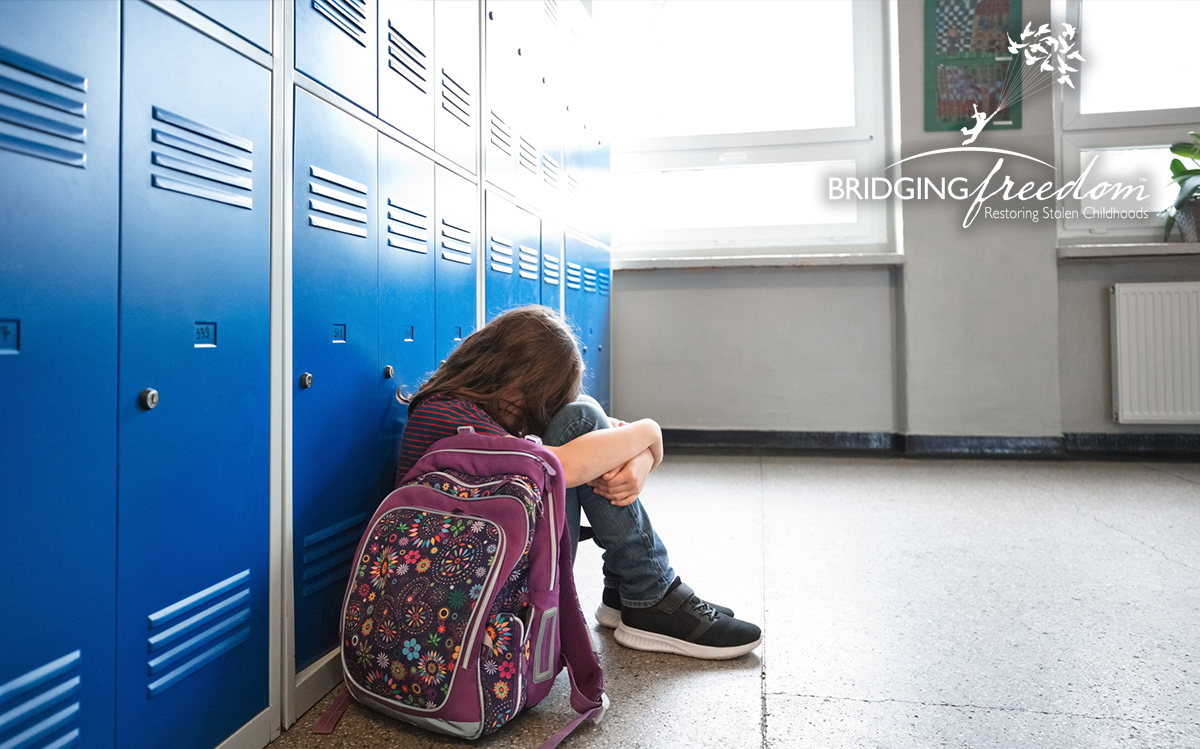
Child sex trafficking is a hidden crisis in the U.S., and one that adults need to work together to try to stop. Schools are on the front lines of this crisis, with educators possibly among the only trusted adults a victim sees regularly. We’re here today to help empower school personnel with the necessary knowledge and tools to make a difference. Keep reading as we share how schools can spot and support trafficking victims, with research and real-world scenarios, to hopefully help put an end to this issue in the future.
Understanding Child Sex Trafficking in the U.S.
Child sex trafficking is the practice of buying and selling children with the goal of exploitation. It happens across the U.S., with federal reports and hotlines documenting thousands of cases and tips every year. When we speak about child sex trafficking, we are typically referring to children under the age of 18, with the most predominant age group being teenagers between 14 and 17 years old. They are often advertised and presented as adults, so this crime usually goes undetected by the general public and even some professionals.
The term domestic minor sex trafficking (DMST) is frequently used to describe the commercial sexual exploitation of children within the U.S. through activities such as prostitution and pornography. Research shows that youth affected by commercial sexual exploitation often have overlapping vulnerabilities, including histories of sexual abuse, running away, involvement with the child welfare or juvenile justice system, and prior trauma. Estimates vary, but some analyses suggest that tens of thousands of minors in the U.S. may be at risk of or experiencing sex trafficking in a given year.
One of the most common misconceptions about this crisis is the feeling that “it doesn’t happen in my community.” Many adults disregard this crisis and leave children and teenagers feeling like they have no one to turn to. Studies of educator perceptions show that teachers often underestimate the likelihood that trafficking is occurring among their own students, even when they work in high-risk communities. What is shocking is that statistics suggest that about 45% of victims know their trafficker before becoming a victim, and many are groomed by family members, romantic partners, or friends. The majority of these cases where the victim knows the trafficker involve a family member or someone in a position of trust. Children often end up trapped in these situations for up to a year and a half or longer before identification, which just goes to show how underreported this crime is and how easy it is for children and teenagers to feel they can’t escape their current situation.
Red Flags to Watch For in Students
As a teacher or someone working in a school, there are certain red flags within your students to watch out for. Behavioral indicators, such as sudden changes in behavior or performance, suggest something else is happening in a student’s life. Signs of anxiety, depression, or fearfulness are common indications of distress. Trafficking victims often isolate themselves or are excessively secretive, hiding the other side of their lives from everyone else around them. In addition to these behavior changes, you should look for physical indicators. Signs of physical abuse or neglect can indicate that a student is in trouble. You may also notice that they start to wear clothing that’s considered inappropriate for a school setting, such as out-of-season or sexualized clothing.
Other situational indicators of trafficking include frequent absence or tardiness. You may notice that an older “boyfriend” or a controlling adult picks them up, which may result in tension or discomfort for the victim. A sudden possession of expensive items without explanation is another cause for concern when paired with any other red flags we’ve shared here.
What to Do if You Suspect Trafficking
As a teacher or someone working in a school, there are certain red flags within your students to watch out for. Training materials for educators consistently highlight behavioral, physical, and situational clues as key indicators of possible trafficking.
Behavioral Indicators
Behavioral indicators, such as sudden changes in behavior or performance, suggest something else is happening in a student’s life. Signs of anxiety, depression, irritability, or fearfulness are common indications of distress. Trafficking victims often isolate themselves or are excessively secretive, hiding the other side of their lives from everyone else around them. You might notice:
- Sudden drop in grades or school engagement.
- Frequent disciplinary issues, defiance, or “acting out,” sometimes masking deeper trauma.
- Extreme fatigue in class, falling asleep, or difficulty concentrating.
- New, unexplained fear of certain people or places.
Physical Indicators
In addition to these behavior changes, you should look for physical indicators. Signs of physical abuse or neglect can indicate that a student is in trouble. You may also notice that they start to wear clothing that’s considered inappropriate for a school setting, such as out-of-season or sexualized clothing. Additional physical signs can include:
- Unexplained bruises, cuts, burns, or injuries with vague explanations.
- Poor hygiene or signs of neglect despite having previously appeared well cared for.
- Evidence of branding or tattoos that suggest ownership, such as names, symbols, or barcodes.
Situational Indicators
Other situational indicators of trafficking include frequent absence or tardiness. You may notice that an older “boyfriend,” a controlling adult, or a group of peers picks them up, which may result in tension or discomfort for the victim. A sudden possession of expensive items without explanation—like new phones, jewelry, clothing, or cash—is another cause for concern when paired with any other red flags we’ve shared here.
Research-Based School Scenario: “Jody” (Counselor Case)
A peer-reviewed article on child sex trafficking counseling describes the case of “Jody,” a teenager whose situation was first noticed at school. Jody’s friends introduced her to an older couple who provided her with drugs, alcohol, and a place to hang out, and she began skipping school and engaging in substance use. At school, her counselor observed chronic truancy, repeated suspensions, apparent exhaustion, irritability, and difficulty concentrating in class—behaviors initially seen as typical discipline issues. After attending human trafficking training, the counselor recognized these as potential trafficking indicators and referred Jody to a mental health professional with expertise in trafficking survivors, which led to further assessment and intervention. This case illustrates how school-based professionals can be the first to connect concerning patterns and initiate help.
What to Do if You Suspect Trafficking
If you notice any of the indicators we’ve shared above, you’ll want to make sure you follow these steps to respond. Research on educator response emphasizes the importance of safety, documentation, and collaboration with appropriate authorities.
- Remain calm and follow school protocols. Always remain calm and follow your school’s protocols at all times so you don’t put yourself in danger or unintentionally tip off a trafficker.
- Document concerns. Document all of your concerns, including specific behaviors, statements, dates, and people involved, so you have a clear record to look back on if you need it.
- Use the chain of command. Don’t confront the suspected trafficker or attempt to rescue the child yourself, as you risk putting yourself and the student in danger, too. Use the chain of command first within your school, such as reporting concerns to a school counselor, administrator, or designated safeguarding lead, and from there, you can consider contacting child welfare and law enforcement together.
- Use trauma-informed communication. Trauma-informed communication is essential to keep in mind in this type of situation to avoid doing anything to make the problem worse or make the victim feel uncomfortable. This means listening nonjudgmentally, avoiding blaming language, respecting the student’s pace of disclosure, and reinforcing that their safety and dignity matter.
Polaris and other anti-trafficking organizations emphasize that school staff should never investigate cases themselves; instead, they should rely on specialized task forces, child welfare agencies, and law enforcement trained in trafficking response.
Building a Safe and Supportive School
To help victims feel supported and increase the likelihood of them coming forward in the future with any concerns, you want to work to build a safe and supportive school environment. Research suggests that students are more likely to disclose exploitation when they have at least one trusted adult at school and when schools promote clear, confidential reporting options.
- Strive to foster trusting relationships with students so they feel there is an adult in their lives to speak to if issues arise.
- Educate all of your school staff on the signs of trafficking to be aware of within your student population, using standardized training modules where possible.
- Promote awareness about this crisis through classroom discussions on consent, boundaries, online safety, and healthy relationships, tailored to age and development.
- An anonymous reporting system (such as drop boxes, hotlines, or secure digital forms) and access to support staff are some of the best ways to encourage better communication and reporting within your school.
Some school districts have adopted written anti-trafficking protocols that outline roles, reporting steps, and local resources; these documents can serve as practical templates for other schools.
Training and Resources for Educators
As an educator, you can access great training programs and resources. We highly encourage you to look at Darkness to Light, Love146, and Polaris Project school resources to keep educating and equipping yourself with the knowledge you need to feel confident addressing this issue. Local organizations, such as Bridging Freedom, offer workshops and consultations that can provide you with additional support. Take the time to review the guidelines from the Department of Education and Homeland Security to better support and protect victims in the future.
Research indicates that educators who have received human trafficking training are significantly more likely to recognize indicators and know how to respond appropriately than those without training. In one study of school personnel, many participants reported that they wanted more concrete examples, case studies, and local resource lists, underscoring the value of ongoing professional development.
Helpful resource types include:
- Federal and state agency toolkits on trafficking and commercial sexual exploitation of children.
- Online modules and webinars specifically designed for teachers, counselors, and school nurses.
- Community-based organizations offering in-person workshops, consultation, and crisis response support.
Partnering with Parents and the Community
Parents and the wider community can benefit from your increased awareness and education about child trafficking. Educate parents on internet safety and exploitation risks so they can also be vigilant and monitor their child’s online activity if needed, including social media, gaming platforms, and messaging apps where grooming frequently begins. Hosting awareness nights and distributing materials to parents can also support them in learning more about this crisis.
You can partner with local law enforcement teams, child advocacy centers, and non-profits to strengthen your education programs and the connection with the local community. Some communities have multidisciplinary human trafficking task forces that provide coordinated training, prevention campaigns, and rapid response when schools identify at-risk youth.
A trained, attentive school community can be a lifeline for child trafficking victims who are struggling to find anyone to support them. We highly encourage schools to schedule training with organizations like Bridging Freedom to implement the good practices we’ve shared here today. Contact us for more information about our services and how we can support your school.