
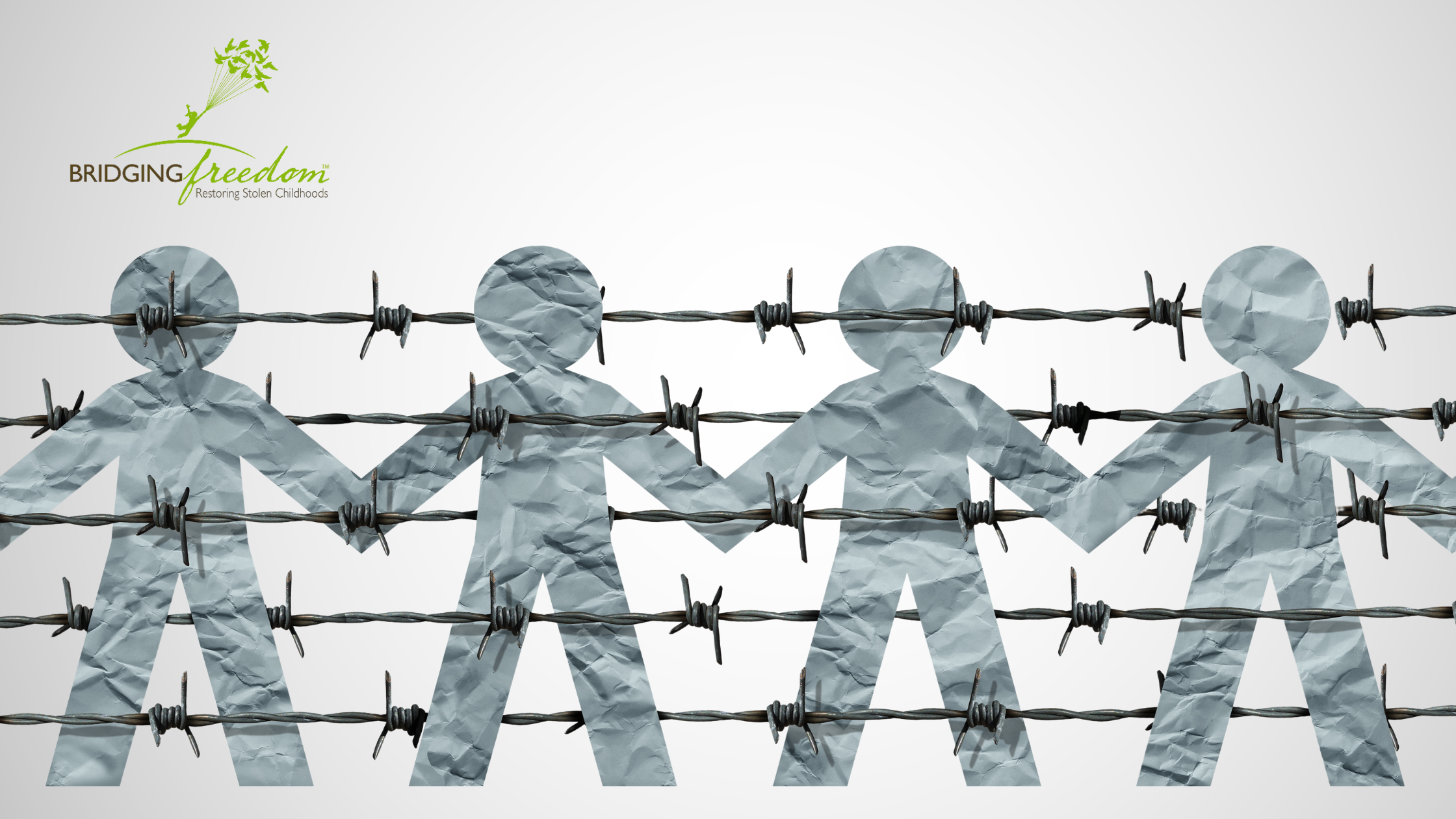
Human trafficking and human smuggling have similar connotations in news reports, policy discussions, and public awareness campaigns. While they are sometimes connected, these two crimes are different. Confusing trafficking with smuggling can cause misunderstandings that make it harder to identify victims, offer proper services, and hold offenders accountable.
Understanding the differences between human trafficking and human smuggling is essential for protecting vulnerable individuals and supporting survivors. This distinction helps communities recognize exploitation, respond appropriately, and take meaningful action against modern slavery.
What Is Human Trafficking?
Human trafficking is a crime that involves the exploitation of a person through force, fraud, or coercion for profit. It is considered a severe violation of human rights and a crime against an individual.
According to recent research, Florida ranks among the top three U.S. states for reported human trafficking cases, alongside California and Texas. The state’s population size, tourism industry, busy transportation networks, and large workforce make it especially vulnerable to exploitation.
At its core, trafficking is about control and exploitation. Victims face manipulation, threats, isolation, or abuse to keep them trapped in situations they cannot safely leave.
Key Elements of Human Trafficking
Human trafficking typically includes at least one of the following:
- Force: Physical violence or restraint
- Fraud: False promises of jobs, relationships, or opportunities
- Coercion: Threats, psychological abuse, debt bondage, or manipulation
Importantly, movement is not required. Trafficking can happen in one’s own city, neighborhood, or even home.
Types of Human Trafficking
- Sex Trafficking: When a person is forced, coerced, or deceived into commercial sex acts
- Labor Trafficking: When individuals are exploited for labor in industries such as agriculture, construction, hospitality, domestic work, or manufacturing
Children involved in commercial sex are considered trafficking victims regardless of force, fraud, or coercion under U.S. law.
A Closer Look at Florida
A groundbreaking 2024 report commissioned by the state and conducted by the University of South Florida’s Trafficking in Persons Risk to Resilience Lab estimates that more than 700,000 people in Florida were victims of human trafficking in the past year alone.
Of that total:
- Around 500,000 were victims of labor trafficking
- An estimated 200,000 were exploited in sex trafficking, with roughly half of those being minors
These Florida figures illustrate how deeply trafficking can affect communities — from children to adults, and across multiple forms of exploitation.
What Is Human Smuggling?
Human smuggling refers to the illegal transportation of a person across an international border, typically with that person’s consent. Smuggling is primarily a crime against a country’s immigration laws rather than a crime against an individual.
In most cases, a person seeks out a smuggler to help them cross a border they could not otherwise cross legally. The relationship between the smuggler and the individual is usually transactional and intended to end upon reaching the destination.
Key Characteristics of Human Smuggling
- Typically involves crossing an international border
- Often begins with consent, even if driven by desperation
- The primary goal is transportation, not exploitation
- The crime is against the state, not inherently against the person
While smuggling can be extremely dangerous and exploitative, it is legally distinct from trafficking.
Key Differences Between Trafficking and Smuggling
Although trafficking and smuggling can overlap, several key differences set them apart.
Consent
- Smuggling: Often begins with consent to be transported
- Trafficking: Involves force, fraud, or coercion, making consent irrelevant or impossible
Purpose
- Smuggling: Transportation across borders
- Trafficking: Ongoing exploitation for profit
Duration
- Smuggling: Usually a short-term arrangement
- Trafficking: Ongoing control and exploitation
Movement
- Smuggling: Always involves crossing borders
- Trafficking: Can occur with or without movement
Legal Perspective
- Smuggling: Crime against immigration laws=
- Trafficking: Crime against a person’s freedom and dignity
These differences matter because they determine how individuals are identified, treated, and supported.
When Smuggling Becomes Trafficking
In many cases, smuggling can evolve into trafficking. What begins as a consensual agreement can quickly turn exploitative.
For example:
- A smuggled individual may be told they owe an inflated “debt” and must work to repay it
- Threats of violence, deportation, or harm to family members may be used to maintain control
- Passports or identification documents may be confiscated
- Living and working conditions may become abusive or inescapable
This transition often goes unnoticed, especially when victims fear law enforcement or believe they have no rights.
Common Myths and Misconceptions
Misunderstandings about trafficking and smuggling can prevent victims from being recognized or helped.
Myth: Human trafficking always involves kidnapping
Reality: Most victims are trafficked by someone they know or trust and are manipulated over time.
Myth: Trafficking only happens across borders
Reality: Many trafficking cases occur entirely within one country.
Myth: Smuggled individuals can’t be trafficking victims
Reality: Smuggling can turn into trafficking through coercion or exploitation.
Myth: Trafficking only affects specific populations
Reality: Trafficking impacts people of all ages, genders, backgrounds, and socioeconomic levels.
Breaking these myths is essential to improving identification and response efforts.
Why the Distinction Matters
Understanding the difference between trafficking and smuggling has real-world consequences.
For Victims
Mislabeling trafficking victims as “illegal migrants” or “smuggled individuals” can:
- Deny them access to critical services
- Increase fear and isolation
- Lead to punishment instead of protection
For Communities and Service Providers
Clear distinctions help:
- Healthcare professionals recognize warning signs
- Law enforcement identify victims rather than criminals
- Advocates connect survivors with appropriate support
For Policy and Prevention
Accurate understanding supports:
- Survivor-centered laws and policies
- Effective prevention strategies
- Better allocation of resources
How Bridging Freedom Supports Survivors of Trafficking
Bridging Freedom exists to support survivors beyond rescue. The organization focuses on long-term, trauma-informed care that addresses the complex needs of individuals recovering from trafficking.
Core Areas of Support
- Safe, stable housing as a foundation for healing
- Comprehensive services tailored to each survivor
- Survivor-centered advocacy and education
- Community partnerships that strengthen long-term outcomes
By addressing the root causes of exploitation and prioritizing dignity, Bridging Freedom helps survivors reclaim control over their lives.
What You Can Do
Everyone has a role to play in combating human trafficking.
Learn the Signs
- Unpaid or underpaid labor
- Restricted movement or isolation
- Signs of fear, anxiety, or control by another person
Report Concerns
If you suspect trafficking:
- Contact local law enforcement in emergencies
- Call the National Human Trafficking Hotline (U.S.)
Support Survivor-Focused Organizations
- Donate to organizations providing long-term care
- Advocate for survivor-centered policies
- Share accurate information within your community
Conclusion
Human trafficking and human smuggling are distinct crimes, but confusion between them can have serious consequences for victims. While smuggling typically involves consensual border crossing, trafficking is defined by exploitation and control—often without movement and always at the expense of human dignity.
By understanding the difference, we can better identify victims, support survivors, and work toward a future where exploitation has no place. Through education, advocacy, and compassionate action, organizations like Bridging Freedom are helping bridge the path from exploitation to freedom.
Frequently Asked Question
What is the main difference between human trafficking and human smuggling?
Human trafficking involves the exploitation of a person through force, fraud, or coercion, while human smuggling typically involves consensual transportation across borders. Trafficking is a crime against an individual, whereas smuggling is a crime against immigration laws.
Can human trafficking happen without crossing borders?
Yes. Human trafficking does not require movement and can occur within a person’s own city, home, or community. This is a critical distinction that often leads to underreporting and misunderstanding.
Is consent possible in human trafficking cases?
No. Even if a person initially agrees to a situation, force, fraud, or coercion removes true consent. In trafficking cases, consent becomes irrelevant once exploitation occurs.
How does human smuggling turn into human trafficking?
Human smuggling can evolve into trafficking when:
- Individuals are forced to repay inflated debts
- Threats or violence are used to control them
- Identification documents are withheld
- They are forced into labor or exploitation
This transition is common and often hidden.
What are the most common types of human trafficking?
The two primary forms are:
- Sex trafficking – exploitation in commercial sex acts
- Labor trafficking – forced labor in industries like agriculture, construction, or domestic work
Both involve control and profit-driven exploitation.
Why is it important to distinguish trafficking from smuggling?
Misunderstanding the difference can:
- Prevent victims from receiving proper support
- Lead to victims being treated as criminals
- Delay intervention and protection services
Accurate identification improves response and outcomes.
What are common signs of human trafficking?
Key warning signs include:
- Restricted movement or isolation
- Fearful or controlled behavior
- Unpaid or underpaid labor
- Someone speaking or controlling communication for another person
Recognizing these signs is critical for early intervention.
Is human trafficking common in places like Florida?
Yes. States like Florida are considered high-risk due to:
- Large population and tourism activity
- Major transportation hubs
- High demand for labor and services
This creates opportunities for exploitation across industries.
Who are the most vulnerable to human trafficking?
Human trafficking affects all demographics, but higher risk groups include:
- Children and minors
- Migrant workers
- Individuals facing financial hardship
- People lacking social support systems
No group is completely immune.
How can communities help prevent human trafficking?
Communities can take action by:
- Educating themselves on warning signs
- Reporting suspicious activity
- Supporting survivor-focused organizations
- Advocating for stronger policies and protections
Awareness and action are key to prevention.