
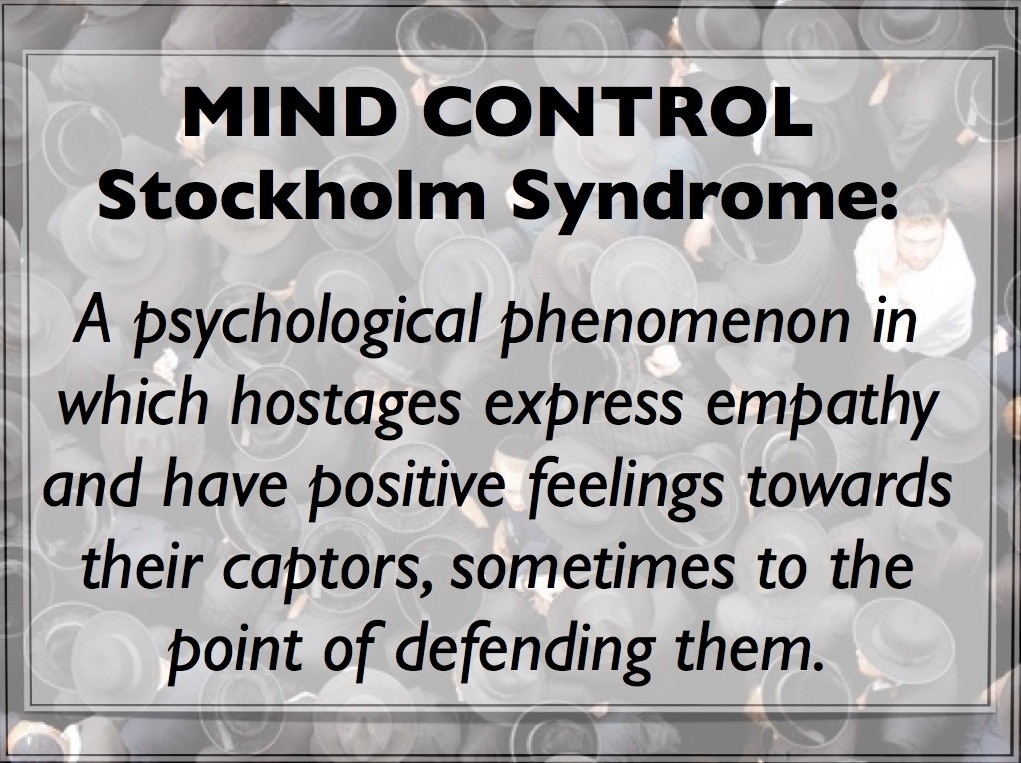
Stockholm syndrome is a psychological response in which a person develops feelings of loyalty, sympathy, or attachment toward someone who is controlling or abusing them. It is not a sign of weakness or poor judgment. It is a survival response, and it is one of the most misunderstood dynamics we see in the recovery of human trafficking survivors.
What Is Stockholm Syndrome?
The term comes from a 1973 bank robbery in Stockholm, Sweden, where hostages defended their captors after being held for six days. Since then, researchers and clinicians have observed the same pattern in domestic violence, cult involvement, and human trafficking. Many professionals today prefer the term trauma bonding, since it more accurately describes what is happening: a victim’s mind forms an attachment to their abuser as a way of coping with prolonged fear and dependency, not as a genuine reflection of the relationship’s safety or worth.
Common Examples of Stockholm Syndrome
The 1973 Stockholm bank robbery that gave the syndrome its name is still the clearest textbook case: hostages held for six days went on to defend the men who had held them captive. One of the most widely discussed examples in the United States is the 1974 kidnapping of Patty Hearst, who was abducted by the Symbionese Liberation Army and later was seen assisting the group in a bank robbery, a case her defense attorney argued was rooted in Stockholm syndrome. These cases are dramatic, but the same underlying pattern shows up far more quietly in domestic abuse, cult involvement, and human trafficking, where the “captor” is rarely a stranger and the bond forms gradually rather than overnight.
The 3 Factors That Cause Stockholm Syndrome
According to FBI-based research on hostage and captivity psychology, three specific conditions have to be present at the same time for a trauma bond to form.
1. A Prolonged Crisis Situation
As mentioned last week, FBI researchers concluded that there are three factors that are necessary for the syndrome to develop. First, the crisis situation has to last for several days or longer. This is almost always the case when a human trafficker is preparing a victim for the life ahead of them. Sometimes torture, rapes, beatings or other methods of control are ongoing for months before the victim can be trusted to work in the surrounding area and come back to the human trafficker with her earnings.
2. Continuous Contact With the Abuser
Second, the captor has to stay in contact with the victim. The captor cannot have someone else perform the abuse or grooming on the victim if they expect the victim to show loyalty toward them. Although the abusers can solicit help (and often do), they must be intimately involved with the grooming and manipulation of the victim to ensure a strong bond between themselves and the victim develops. This Trauma Bond is common between abusers and their victims, which is why abused spouses or children often feel a close connection to their abuser. Often victims feel that their power lies inside of their abuser and without that person in their life, they are essentially powerless. In the same way, the victim of a human trafficker feels that no one will ever be able understand what they have been through like their abuser can. Unfortunately, in an unhealthy sense, this is accurate. Patrick J Carnes, PhD has written an extraordinarily insightful book entitled, The Betrayal Bond: Breaking Free of Exploitive Relationships, which we recommend for further reading on this topic.
3. Intermittent Kindness Mixed With Control
Third, the captors have to show some type of kindness (or what may seem like kindness at the time) toward the victim. Human Traffickers or Pimps often offer their victims something desired in order to lure them into the relationship. Although these are not always empty promises, they come at a great and unexpected cost. For example, the Pimp may tell their victim that they will take care of them financially, meeting all of their monetary needs. Although the Pimp may feed, clothe and provide lodging for the victim, they hide the fact that the victim will have to sell their body to strangers and surrender all earnings in order to earn what has been promised. Mixing the truth with inconceivable lies creates such emotional confusion and frustration for the victim that it may take years of rehabilitation before they can begin to think clearly and accurately about interpersonal relationships again. However, with the proper tools and isolation from the abuser, healing is possible.
Why Trafficking Survivors Are Especially Vulnerable to This Bond
Traffickers use these three factors deliberately, whether or not they know the research behind them. Grooming tactics are built around creating dependency: isolating a victim from friends and family, controlling access to money or documents, and alternating between affection and threats. This is why survivors often describe complicated, painful feelings toward the person who trafficked them, including protectiveness or loyalty. These feelings are not evidence that the relationship was healthy. They are evidence of how effective coercive control can be.
Signs Someone May Be Experiencing a Trauma Bond
Trauma bonding can be hard to spot from the outside because it often looks like devotion rather than danger. Some signs to watch for include:
- Defending or making excuses for someone who has harmed them
- Extreme anxiety or panic at the idea of leaving the relationship
- Believing they are the only one who can help or “fix” the other person
- Isolation from family, friends, or previous support systems
- Confusion about whether the relationship is actually harmful
- Returning to the person after attempting to leave
If you notice several of these signs in someone you know, it does not automatically mean they are a trafficking victim, but it is worth taking seriously and approaching with patience rather than judgment.
How to Help Someone With Stockholm Syndrome
If someone you love appears to be trauma bonded to a person who is harming them, how you respond matters. A few guidelines:
- Avoid ultimatums or forcing them to choose between you and the abuser. This often pushes them closer to the person controlling them.
- Stay consistent and non-judgmental, even if they defend their abuser or return to the relationship more than once.
- Encourage professional, trauma-informed support rather than trying to “talk them out of it” yourself.
- Avoid confronting the suspected abuser directly, which can put the victim at greater risk.
- If the situation involves trafficking, connect them with resources like the National Human Trafficking Hotline or Bridging Freedom’s help resources rather than handling it alone.
Patience is difficult here, but it is what actually helps. Trauma bonds rarely break because of one conversation. They break because someone kept showing up safely, over time.
Healing Is Possible
Now that we better understand how victims of Human Trafficking develop Stockholm Syndrome, it is important to know that this epidemic does not have to last a lifetime. There is mental freedom available for the oppressed. We will go into this further in next week’s blog. Join us then.
Trauma bonds can be broken, but it typically takes two things working together: physical safety away from the abuser, and consistent, trauma-informed support over time. Because the bond formed as a survival response, healing is not as simple as “just leaving.” Survivors often need patient, professional care to rebuild trust, identity, and a sense of safety.
How Bridging Freedom Helps Survivors in the Tampa Bay Area
This is the work Bridging Freedom exists to do. Our Therapeutic Safe Home Campus in Land O’ Lakes, Florida provides long-term, trauma-informed care for child survivors of sex trafficking from across the Tampa Bay region, because survivors need more than a safe place to stay. They need consistent support that helps them process what happened and rebuild a healthy sense of self.
Your support directly funds this care. Donate to Bridging Freedom today to help provide trauma therapy, housing, and long-term recovery support for survivors on our campus.
What to Do If You Suspect Someone Is Being Trafficked
If you believe someone is currently being trafficked or is at risk, safety comes first:
- Do not attempt to intervene directly or confront a suspected trafficker.
- Call the National Tip Line at 1-888-373-7888, or reach the National Human Trafficking Hotline for confidential help.
- Document what you have observed without putting yourself or the individual at risk.
- Visit our Where to Go for Help page or contact our team for guidance on next steps.
Frequently Asked Questions
What is Stockholm syndrome in simple terms? Stockholm syndrome is when a person held in a controlling or abusive situation develops sympathy, loyalty, or emotional attachment toward the person controlling them, as a psychological response to prolonged fear and dependency.
What are the 3 factors of Stockholm syndrome? A crisis situation lasting several days or longer, continuous direct contact with the captor, and intermittent kindness mixed with control and abuse.
Is Stockholm syndrome the same as trauma bonding? They describe the same underlying pattern. “Trauma bonding” is the term more commonly used today in clinical and trafficking-recovery settings.
Can someone recover from Stockholm syndrome? Yes. With physical safety and consistent, trauma-informed support, survivors can process the experience and rebuild healthy relationships and identity over time.
How is Stockholm syndrome connected to human trafficking? Traffickers frequently use isolation, prolonged control, and intermittent affection or promises, the same three conditions that produce Stockholm syndrome, to create dependency and make it harder for victims to leave or seek help.
How can I help a trafficking survivor recover from trauma bonding? You can support survivor-centered organizations like Bridging Freedom through donations or volunteering, and by reporting suspected trafficking to the National Tip Line at 1-888-373-7888.
Help Survivors Heal – Donate Today
Every survivor’s healing starts with safety. Your gift helps provide trauma-informed care, housing, and long-term recovery support for child trafficking survivors at Bridging Freedom’s Tampa Bay campus. Donate to Bridging Freedom →